
Top 5 Tropical Fish and Their Unique Feeding Needs
A vibrant, thriving aquarium is a source of endless fascination. The key to achieving this underwater paradise often lies in understanding the specific needs of its inhabitants, especially when it comes to their diet. Just like other animals, tropical fish have diverse nutritional requirements that are essential for their health, color, and longevity.
Providing the right food is one of the most impactful ways you can care for your aquatic pets.
This guide will explore the unique feeding needs of five of the most popular tropical fish. We will detail what makes each species special and explain why a high-quality ornamental fish diet, particularly one incorporating frozen fish food, is crucial for their well-being. Understanding these dietary specifics will help you ensure your fish not only survive but truly flourish.
Why a Species-Specific Diet Matters
In the wild, fish consume a varied diet of insects, larvae, algae, and smaller aquatic life. Replicating this diversity in a home aquarium can be challenging with generic flakes alone. Different species have different digestive systems, mouth shapes, and hunting behaviors, all of which influence their ideal diet. Having a one-size-fits-all approach to feeding can lead to nutritional deficiencies, poor health, and a lackluster aquarium.
Frozen fish food offers a superior solution. It provides a nutrient-rich, highly palatable option that closely mimics the natural foods fish consume. Frozen foods are packed with essential proteins, vitamins, and minerals that are often lost in the dry-processing of flakes and pellets. This makes them an excellent choice for meeting the specific tropical fish feeding needs of your aquarium's residents.
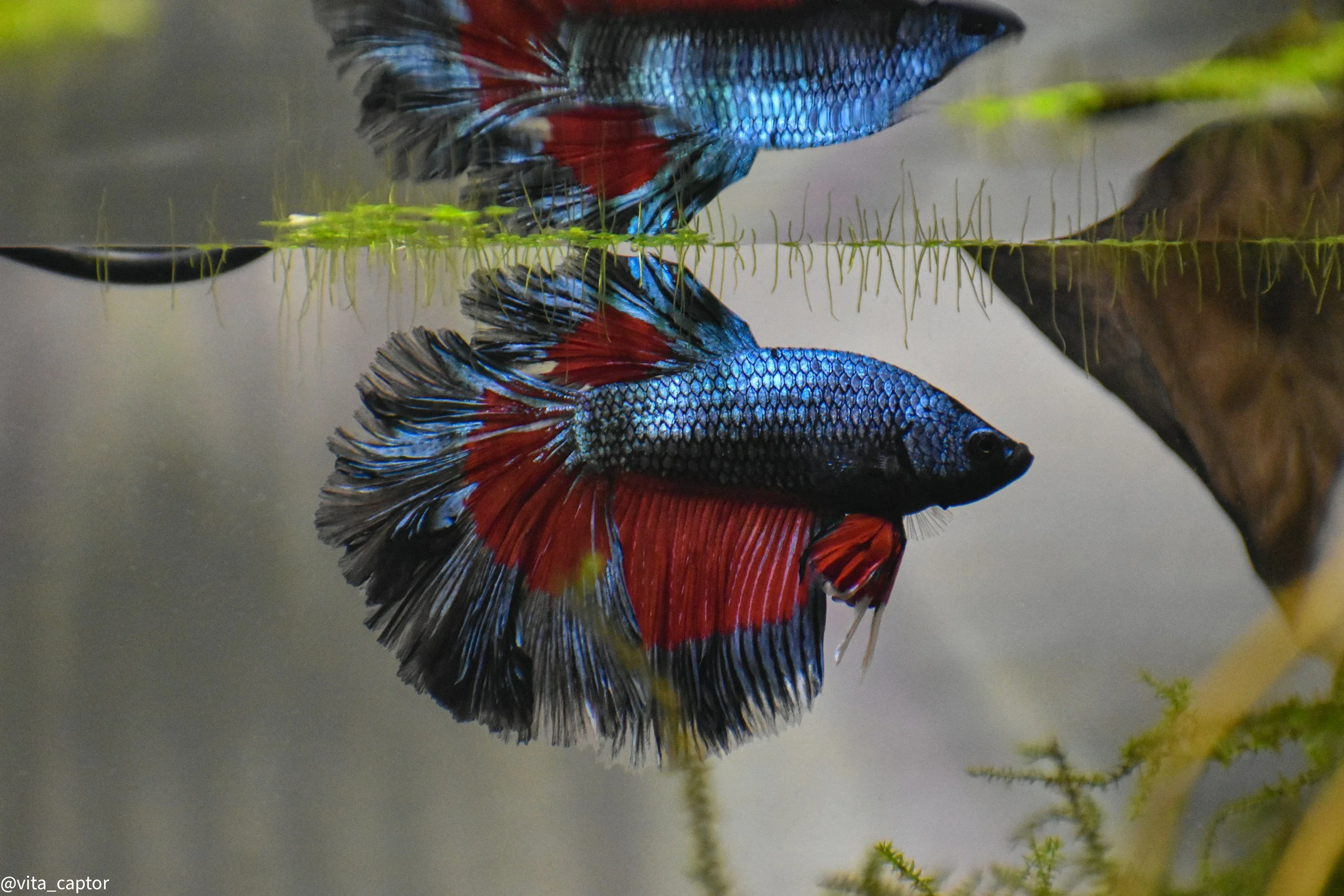
1. Betta Fish (Betta splendens)
Often called Siamese Fighting Fish, Bettas are known for their brilliant colors and flowing fins. They are labyrinth fish, meaning they can breathe air from the surface. In their natural habitat of shallow rice paddies and streams in Southeast Asia, they are carnivores.
Betta Feeding Needs
1. Diet Type: Primarily carnivorous. The fish diet should be rich in high-quality animal protein.
2. Natural Foods: Insects, insect larvae, zooplankton, and small crustaceans.
3. Aquarium Diet: A Betta's digestive tract is short, designed for processing meat, not plant matter. While they might nibble on flakes, a diet consisting solely of them can lead to bloating and poor health. An ideal ornamental fish diet for Bettas includes a variety of protein sources.
Benefits of Frozen Food for Bettas:
Frozen foods like bloodworms, brine shrimp, and daphnia are perfect for Bettas. These options mimic their natural prey and are packed with the protein they need to maintain their vibrant colors and energy levels. Feeding a varied diet of frozen foods 2-3 times a week can significantly improve their overall health.
2. Discus (Symphysodon)
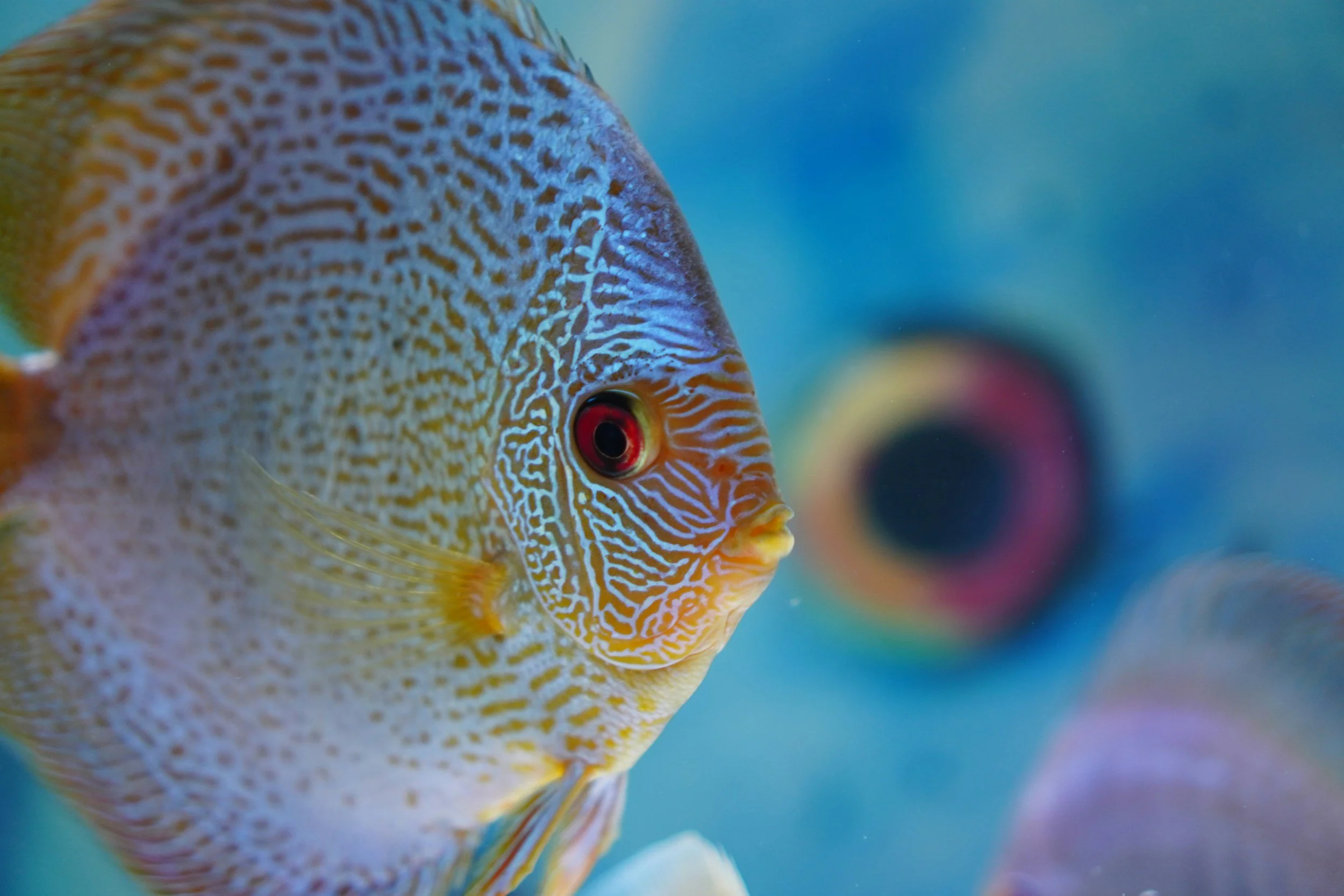
The "King of the Aquarium," the Discus, is a majestic and sensitive cichlid from the Amazon River basin. Their large, flat bodies and striking patterns make them a prized possession for many hobbyists. They are notoriously picky eaters and require pristine water conditions and a specialized diet to thrive.
Discus Feeding Needs
1. Diet Type: Omnivorous, with a strong preference for protein.
2. Natural Foods: Small crustaceans, insect larvae, and some plant detritus.
3. Aquarium Diet: Discus require a high-protein diet to support their growth and immune system. They are known to be shy feeders and can be sensitive to food quality. A varied diet is essential to prevent them from getting fixated on one type of food.
Benefits of Frozen Food for Discus:
A high-quality ornamental fish diet for Discus should be centered around nutrient-dense frozen foods. Beefheart formulas are a classic choice, providing immense protein. Additionally, frozen bloodworms, mysis shrimp, and brine shrimp are eagerly accepted and deliver vital nutrients. The soft texture and strong scent of frozen food often entice even the most reluctant Discus to eat.
3. Angelfish (Pterophyllum)
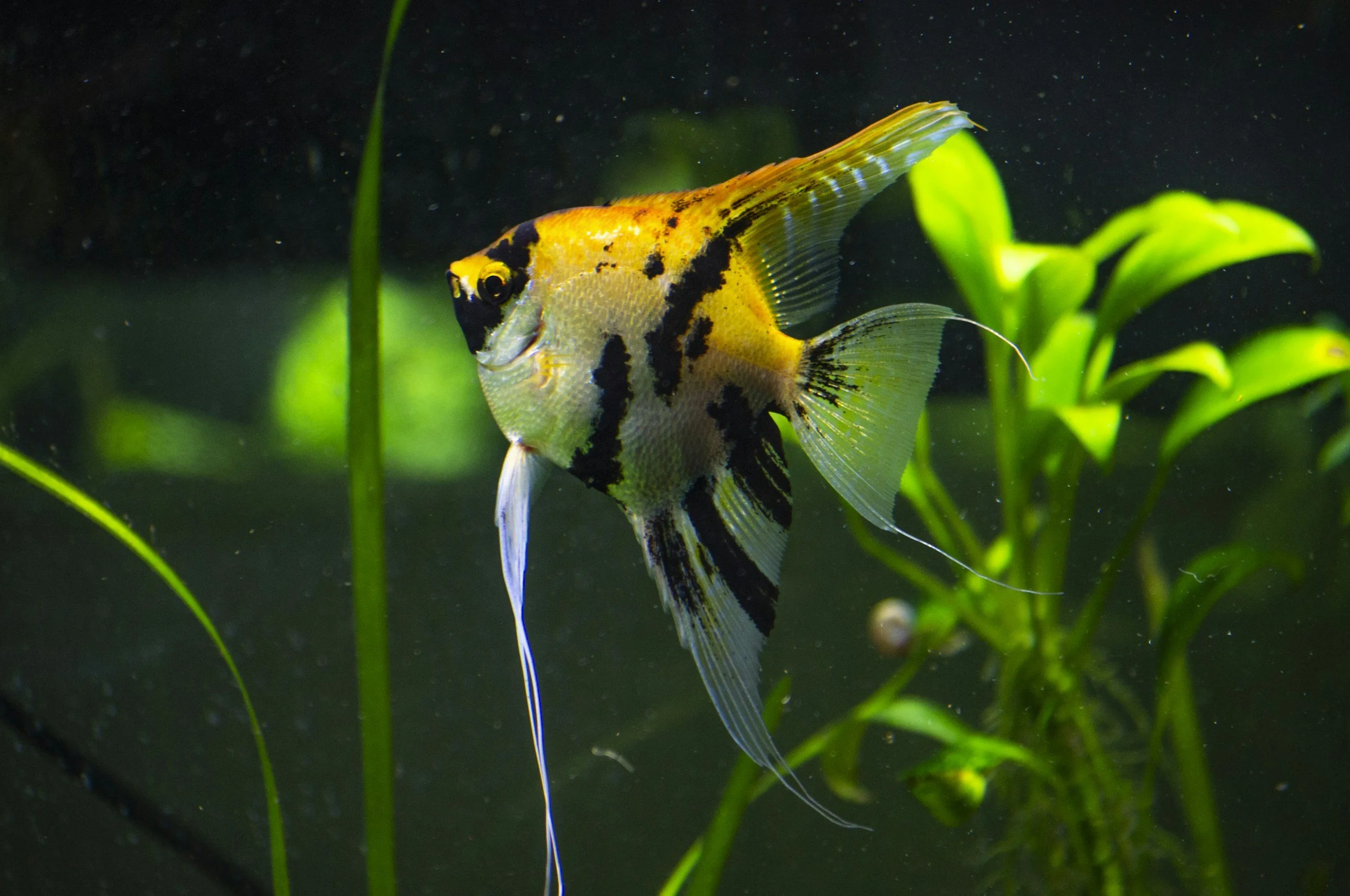
Graceful and elegant, Angelfish are another popular cichlid from South America. Their distinctive triangular shape and long, flowing fins make them a beautiful centerpiece for many community tanks. While generally peaceful, they are opportunistic predators and will eat smaller fish if given the chance.
Angelfish Feeding Needs
Diet Type: Omnivorous. They enjoy a mix of both protein-based and plant-based foods.
Natural Foods: Small fish, invertebrates, and zooplankton.
Aquarium Diet: A balanced diet is key for Angelfish. While high-quality flake food can serve as a base, it should be supplemented with more substantial meals. Their health and coloration depend on receiving a variety of nutrients.
Benefits of Frozen Food for Angelfish:
Meeting an Angelfish's tropical fish feeding needs is easy with frozen options. They will readily consume frozen brine shrimp, bloodworms, and mysis shrimp. These foods provide the protein necessary for healthy growth and breeding. Rotating different types of frozen food ensures they get a well-rounded diet that supports their immune system and brilliant sheen.
4. Guppies (Poecilia reticulata)
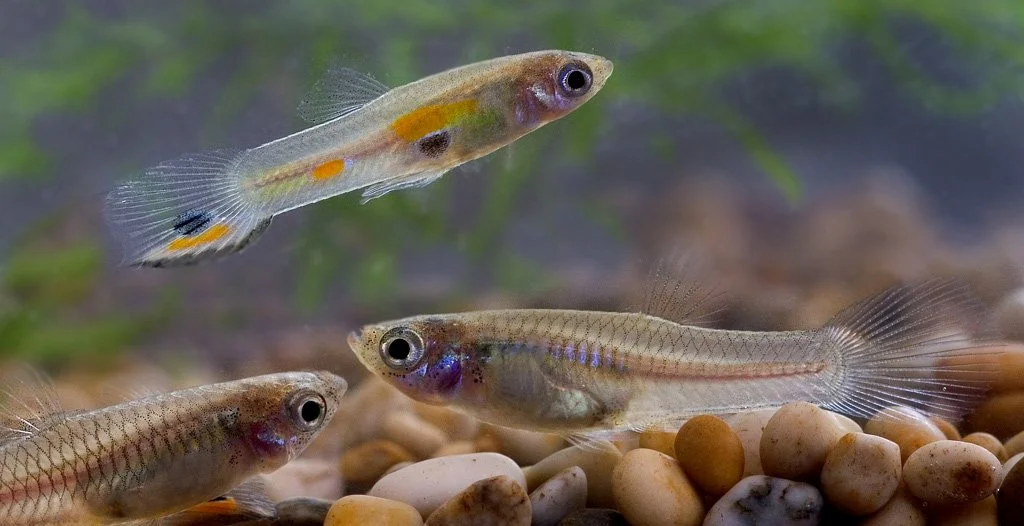
Guppies are small, active, and incredibly colorful livebearers. They are a favorite for beginners and experienced aquarists alike due to their hardy nature and prolific breeding habits. Originating from streams and rivers in South America, they are constantly foraging for food.
Guppy Feeding Needs
Diet Type: Omnivorous. Guppies are not picky and will eat almost anything.
Natural Foods: Algae, diatoms, insect larvae, and aquatic invertebrates.
Aquarium Diet: To keep Guppies at their most colorful and active, their diet should include both plant and animal matter. A diet lacking in vegetable components can lead to digestive issues.
Benefits of Frozen Food for Guppies:
While Guppies will eat flakes, their small mouths and high metabolisms benefit from smaller, nutrient-dense foods. Frozen baby brine shrimp, daphnia, and cyclops are excellent choices. These foods are perfectly sized and provide a protein boost that supports their rapid growth and constant activity. Supplementing with frozen spirulina-enriched foods also helps meet their need for plant matter.
5. Neon Tetras (Paracheirodon innesi)
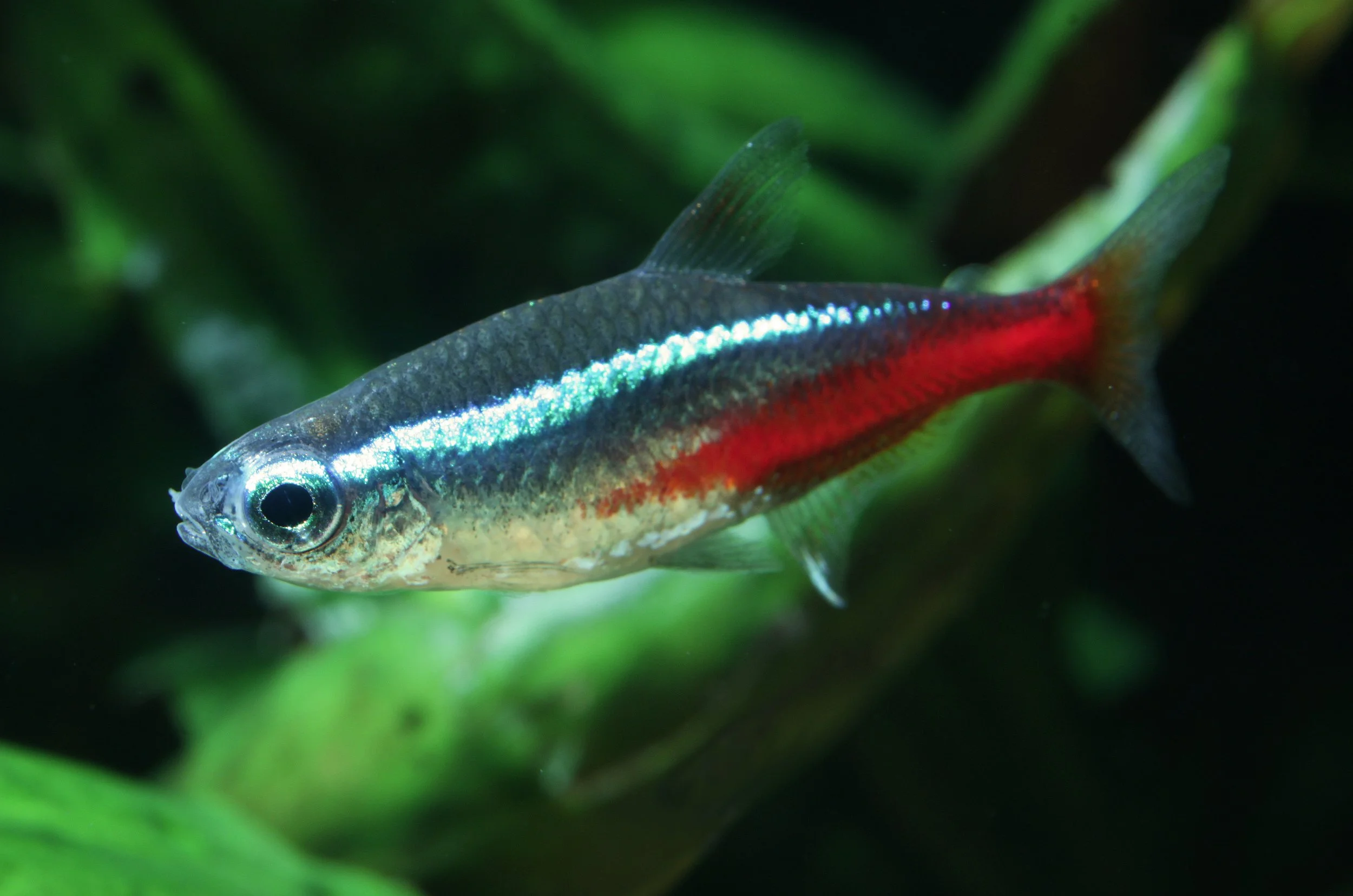
Neon Tetras are small, peaceful schooling fish famous for their iridescent blue and red stripes. A large school of these fish creates a stunning display in a planted aquarium. They come from the blackwater streams of the Amazon basin, where they feed on tiny organisms.
Neon Tetra Feeding Needs
Diet Type: Omnivorous.
Natural Foods: Tiny invertebrates, zooplankton, and algae.
Aquarium Diet: Due to their small size, Neon Tetras need food that can easily fit into their mouths. High-quality micro-pellets or crushed flakes can work, but they often fail to provide the full spectrum of nutrients these active little fish need.
Benefits of Frozen Food for Neon Tetras:
The best diet for Neon Tetras as ornamental fish includes small frozen foods. Frozen daphnia, cyclops, and baby brine shrimp are ideal. These options mimic their natural food sources, making them easy for the animals to consume. The high nutritional value helps maintain their bright, electric coloration and supports their overall health in a community tank setting.
Enhance Your Aquarium with a Superior Diet
Providing your tropical fish with a diet that mirrors what they would eat in nature is the foundation of responsible fishkeeping. A varied diet rich in high-quality ingredients helps boost their immune systems, enhances their vibrant colors, and encourages natural behaviors. While flakes have their place, incorporating frozen fish food into your feeding routine is a game-changer for aquatic health.
Understanding the unique feeding needs of tropical fish species like Bettas, Discus, and Neon Tetras will help you create a customized feeding plan that makes your aquarium truly shine.
Ready to see the difference a premium diet can make?
Please explore our complete range of high-quality frozen fish food at lifelinefrozen.com and give your fish the nutrition they deserve.