
Seasonal Feeding Tips: Adjusting Your Fish's Diet
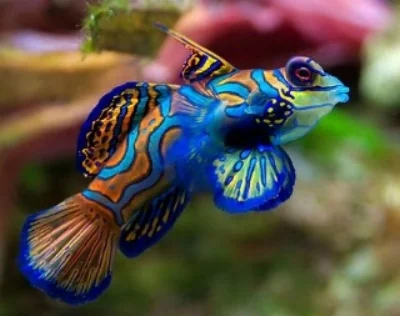
Just like the world outside your window changes with the seasons, so do the needs of your aquarium inhabitants. Temperature, light, and natural biological cycles all influence your fish's metabolism and activity levels. A one-size-fits-all approach to feeding doesn't work. To truly help your aquatic pets thrive, you need to adjust their diet throughout the year.
Understanding how to adapt your feeding schedule will not only keep your fish healthier but also improve water quality and reduce waste. Let's explore how to fine-tune your fish's diet for each season.
Spring: A Time for Growth and Conditioning
As temperatures begin to warm, your fish's metabolism kicks into high gear. After a slower winter period, spring is a crucial time for growth, conditioning, and preparing for spawning in many species. This is when you should focus on providing high-quality, protein-rich foods.
Feeding Strategies for Spring:
1. Increase Protein: Transition to foods with a higher protein content. This supports muscle development and provides the energy needed for increased activity and breeding behaviors. High-quality frozen foods, such as mysis shrimp, brine shrimp, and bloodworms, are excellent choices.
2. Gradual Increase in Quantity: Avoid sudden increases in their portions. Slowly increase the amount of food you offer over several weeks as the water temperature rises. Watch your fish closely; they should eagerly consume everything within one to two minutes.
3. More Frequent Feedings: Instead of one large meal, consider breaking up feedings into two or three smaller portions throughout the day. This mimics their natural foraging behavior and helps maintain stable water quality by preventing large amounts of uneaten food from accumulating.
Summer: Peak Activity and High Metabolism
Summer is the peak of activity for most aquarium fish. Water temperatures are at their highest, and so are your fish's energy needs. Their metabolisms are running at full throttle, meaning they burn through calories quickly. The goal during summer is to sustain this high energy level without overfeeding and polluting the tank.
Feeding Strategies for Summer:
Maintain High-Quality Nutrition: Continue offering a varied, protein-rich diet. This is the time to provide the best nutrition you can. Supplementing with vitamin-enriched foods helps bolster their immune systems during this active period.
Consistent Schedule: Feed consistently one to three times a day, depending on the species. Active fish, such as danios and rainbowfish, may benefit from more frequent, smaller meals.
Observe and Adjust: Pay close attention to both your fish and the water. Higher temperatures mean less dissolved oxygen. Overfeeding can lead to excess waste, ammonia spikes, and further oxygen depletion. If you notice any signs of stress or cloudy water, reduce feeding immediately and perform a water change.
Autumn: Preparing for the Cooler Months
As days shorten and temperatures begin to fall, your fish's metabolism will naturally start to slow down. Autumn is a transitional period. It's time to help them build up reserves for the leaner winter months while gradually reducing the feeding amount.
Feeding Strategies for Autumn:
Focus on Fats and Fiber: Shift your diet from high-protein to foods rich in healthy fats and fiber. These nutrients help build up energy stores. Foods containing spirulina or other vegetable matter are great additions.
Reduce Feeding Frequency: As the water cools, your fish will become less active. Start reducing the frequency of feedings from multiple times a day back to once a day. For some species, you may move to feeding every other day as winter approaches.
Monitor Water Temperature: Your feeding schedule should be directly linked to the tank's temperature. Use a reliable aquarium thermometer to guide your adjustments. A drop of a few degrees can significantly impact your fish's appetite.
Winter: A Period of Rest and Conservation
Winter is a time of rest for many fish, especially those in unheated tanks that follow ambient room temperatures. Their metabolism slows significantly, and their need for food decreases dramatically. Overfeeding during winter is one of the most common and dangerous mistakes a hobbyist can make.
Feeding Strategies for Winter:
Less is More: Drastically reduce the amount and frequency of feeding. For many species, feeding a small amount every two to three days is sufficient. Some fish may even go longer between meals. They are not starving; they are simply conserving energy.
Offer Easily Digestible Foods: Stick to foods that are easy for their slow digestive systems to process. High-fiber vegetable matter and smaller portions of their usual fare are ideal. Avoid heavy, high-protein meals that can cause indigestion or bloating in the gut.
Watch for Cues: Your fish will tell you when they are hungry. If they are hiding and inactive, they likely don't need food. If they come to the front of the tank and seem active, offer a tiny meal. Any food not eaten should be removed promptly to prevent it from fouling the water.
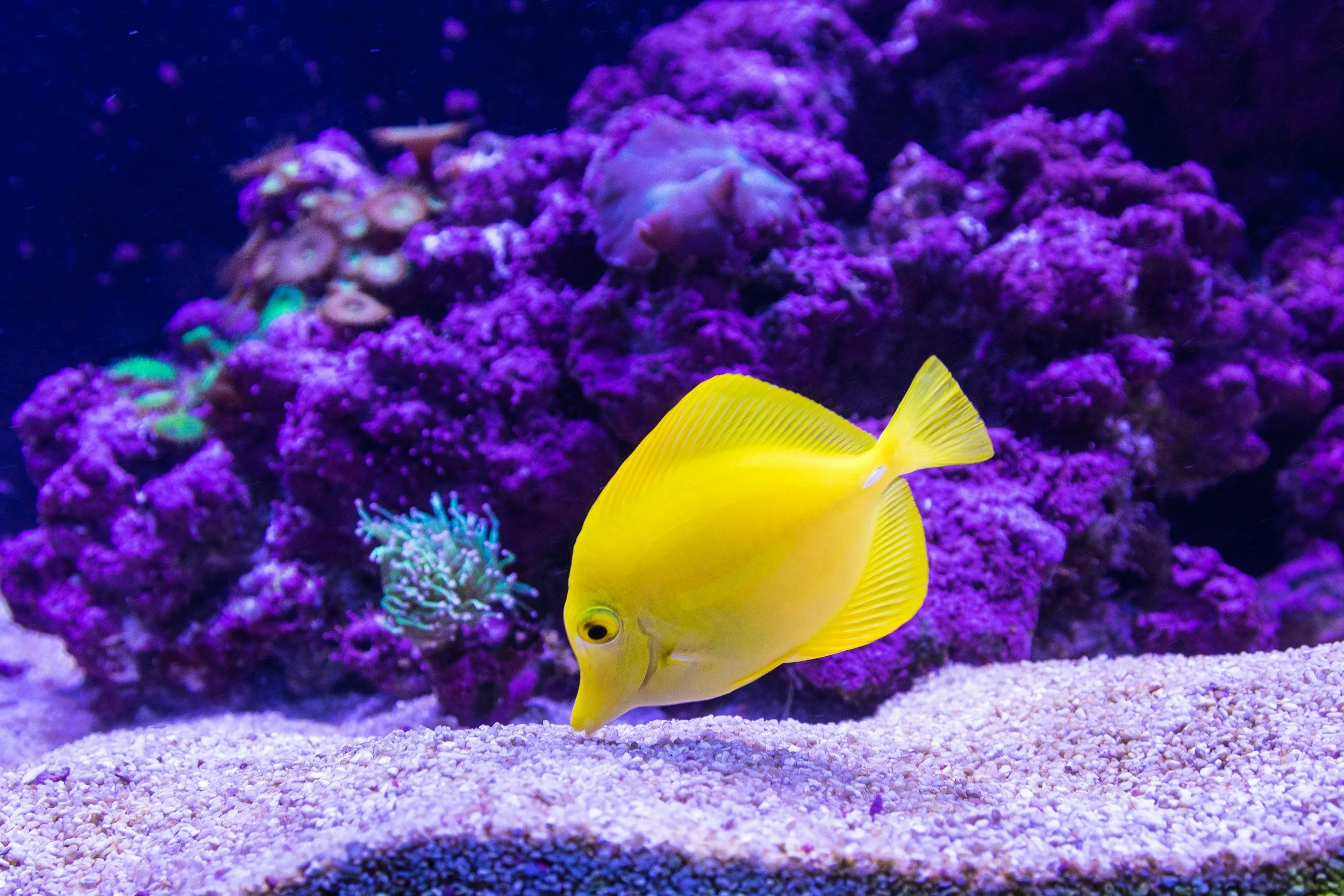
Bonus: Holiday and Travel Tank Maintenance Tips
The holidays often mean busy schedules and travel, which can disrupt your tank's routine. Learning a bit of planning, you can ensure your aquatic ecosystem remains stable and healthy while you're away.
If You're Away for a Weekend (2-3 Days):
Most healthy, well-fed adult fish can easily go for two or three days without food. Do a partial water change and feed them a regular meal before you leave. They will be perfectly fine until you return. Resist the temptation to "overfeed" them before you go, as this will only pollute the water.
For Longer Trips (Up to 1 Week):
Automatic Fish Feeder: This is the most reliable option. Invest in a quality automatic feeder and test it for a few days before you leave to ensure it dispenses the correct amount of food. Use pellet or flake foods, as frozen foods are not an option here.
Tank "Babysitter": Ask a trusted friend or neighbor to help. Leave pre-portioned meals in a daily pill organizer to prevent overfeeding. Provide clear, simple instructions: "Just dump the contents of one compartment in the tank each day. That's it!"
Perform Pre-Trip Maintenance: Approximately two days before departure, perform a 25-30% water change, clean the filter, and ensure all equipment is functioning correctly. Remember to also check the temperature to ensure the heater is stable.
Avoid These Vacation "Solutions":
Feeder Blocks or Vacation Feeders: These plaster-like blocks are designed to dissolve and release food slowly over time. However, they often do more harm than good. They can foul the water, cause ammonia spikes, and may not be eaten by your fish. It is safer to let your fish fast than to use one of these.
Adding New Fish: Never add new fish to your tank right before you leave for vacation. This adds stress to the ecosystem and introduces the risk of disease when you are not there to monitor it.
By tailoring your fish's diet to the seasons and planning for travel, you provide them with the best possible care, ensuring they remain vibrant and healthy throughout the year.